Table of Contents
- FAQs About the 2025 Cicada Emergence | Rottler Pest Solutions
- Cicadas 2025 Map - Ardyce Lindsay
- Cicada Map I Survived The Cicada Invasion 2025 Brood Xix Xii - Cicada ...
- Free Cicadas Emerge 2025 PowerPoint Template & Google Slides
- Cicada map 2025: Brood XIX sightings reported in Georgia, SC, NC, more
- Your 2025 map of cicadas: What to know | PBS News
- 2025 cicada emergence - YouTube
- Cicadas Tour 2025 American Map Cicadas Invasion 2025 - Etsy
- Cicada 2025 Locations Cicada Map - Cicadas 2025 Locations - Tank Top ...
- 13 Year Cicada 2025 - Yetty Tiphani

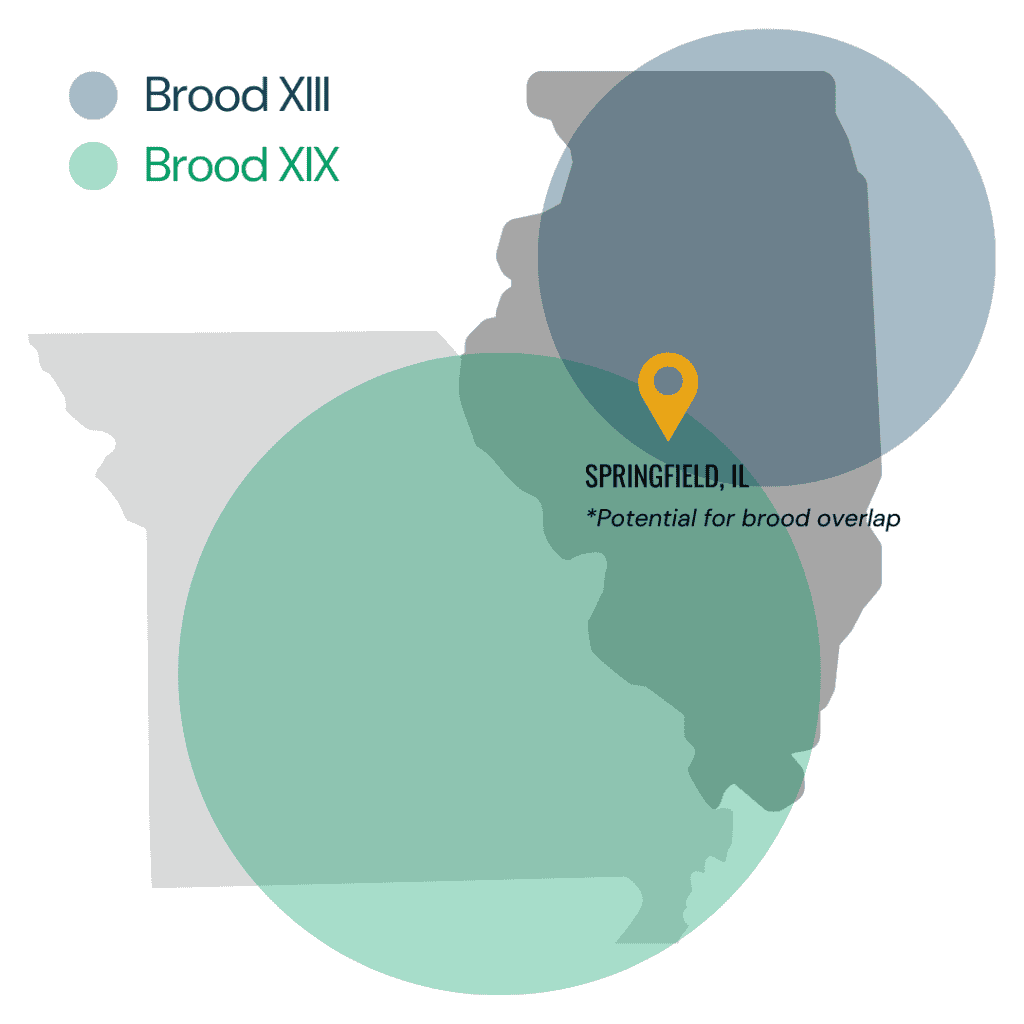
The United States is bracing itself for the emergence of the 2025 cicada broods, with several states expecting a massive influx of these noisy insects. The 2025 cicada map indicates that Brood XIII, also known as the "Phantom Brood," will be making an appearance in the Midwest and Northeast regions. In this article, we will delve into the details of the 2025 cicada emergence, including the affected areas, the life cycle of cicadas, and what to expect during this period.

Understanding Cicada Broods

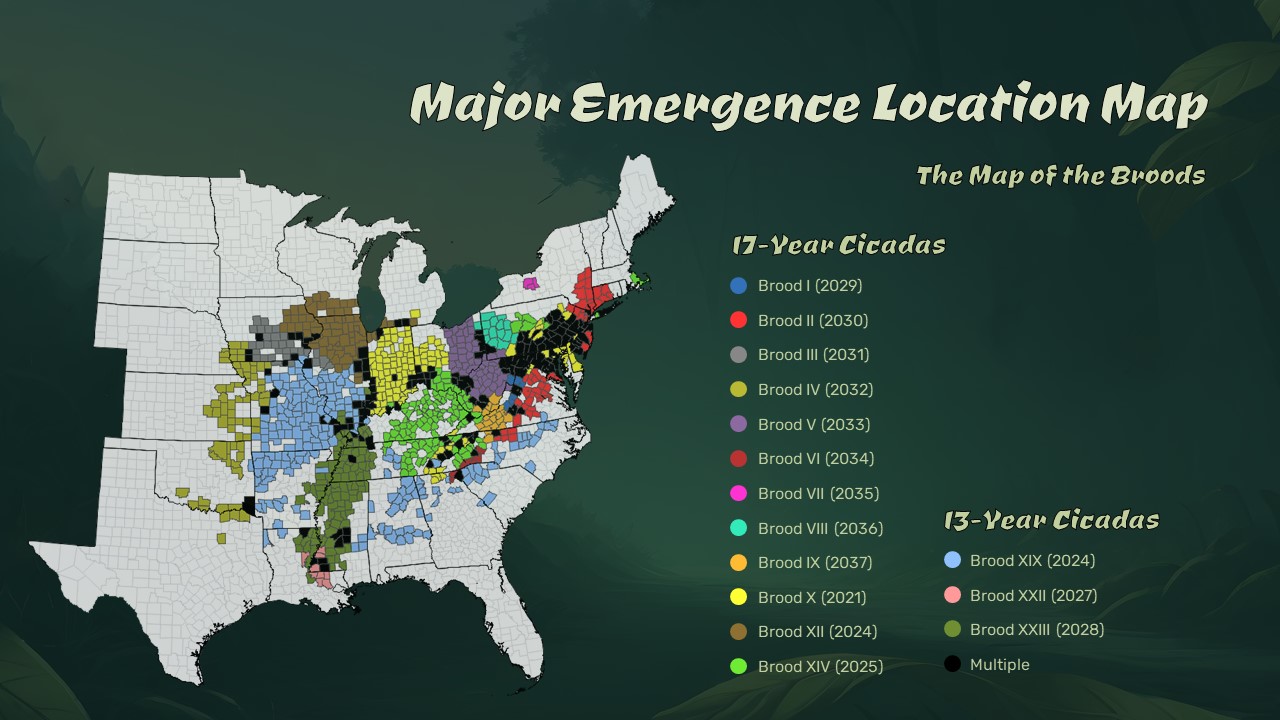
Cicadas are divided into different broods, each with its own unique emergence schedule. The broods are identified by Roman numerals, ranging from I to XXX. Brood XIII, which is expected to emerge in 2025, is one of the largest and most widespread broods in the country. This brood is known to appear every 17 years, with the last emergence occurring in 2007.

2025 Cicada Map: Affected Areas

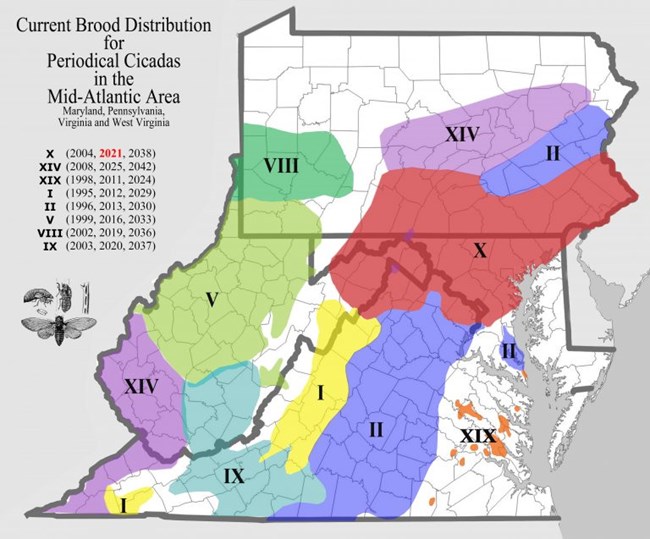
According to the 2025 cicada map, the following states can expect a significant emergence of Brood XIII cicadas:

- Illinois
- Indiana
- Iowa
- Michigan
- Minnesota
- Missouri
- Ohio
- Wisconsin
These states will experience a massive influx of cicadas, with some areas expecting billions of insects to emerge. The cicadas will begin to appear in late April and early May, with the peak emergence expected to occur in late May and early June.

The Life Cycle of Cicadas
Cicadas have a unique life cycle, with different stages of development. The life cycle of a cicada consists of three main stages: egg, nymph, and adult. The female cicada lays her eggs in tree branches, which hatch into nymphs after several weeks. The nymphs then fall to the ground, where they burrow into the soil and feed on tree roots for several years. After 17 years, the nymphs emerge from the ground, molt, and transform into adult cicadas.
What to Expect During the 2025 Cicada Emergence
During the 2025 cicada emergence, residents in the affected areas can expect:
- Noisy environments: Cicadas are known for their loud mating calls, which can reach levels of up to 100 decibels.
- Increased insect activity: The emergence of billions of cicadas will lead to a significant increase in insect activity, with cicadas flying, mating, and laying eggs.
- Tree damage: Cicadas can cause damage to trees, particularly young or newly planted trees, by laying eggs in branches and feeding on sap.
While the 2025 cicada emergence may seem like a nuisance, it is essential to remember that cicadas play a vital role in the ecosystem. They serve as a food source for various animals, including birds, bats, and spiders, and help to aerate soil and promote tree growth.
The 2025 cicada emergence is an exciting event that will bring billions of these fascinating insects to the surface. While it may cause some disruptions, it is essential to appreciate the importance of cicadas in the ecosystem. By understanding the life cycle of cicadas and the affected areas, residents can prepare for the emergence and make the most of this unique experience. So, get ready for the 2025 cicada season, and enjoy the sights and sounds of these incredible insects!